
Kwa Bahal — the Golden Temple
A 12th-century Buddhist monastery hidden behind an unmarked wooden door two minutes from Durbar Square. Inside: gilded courtyards, spinning prayer wheels and rotating monks. Entrance is free, but leave an offering.
Everything we wish visitors knew before arriving — the best season, real festivals, food locals actually eat, and the hidden corners most tourists never find.
Patan is beautiful year-round, but the season changes everything — weather, festivals, crowds and cost.
October–November is when we're busiest — book early if you're planning that window.
Patan's festivals are not performances for tourists — they are living traditions that fill the streets with music, colour and devotion.
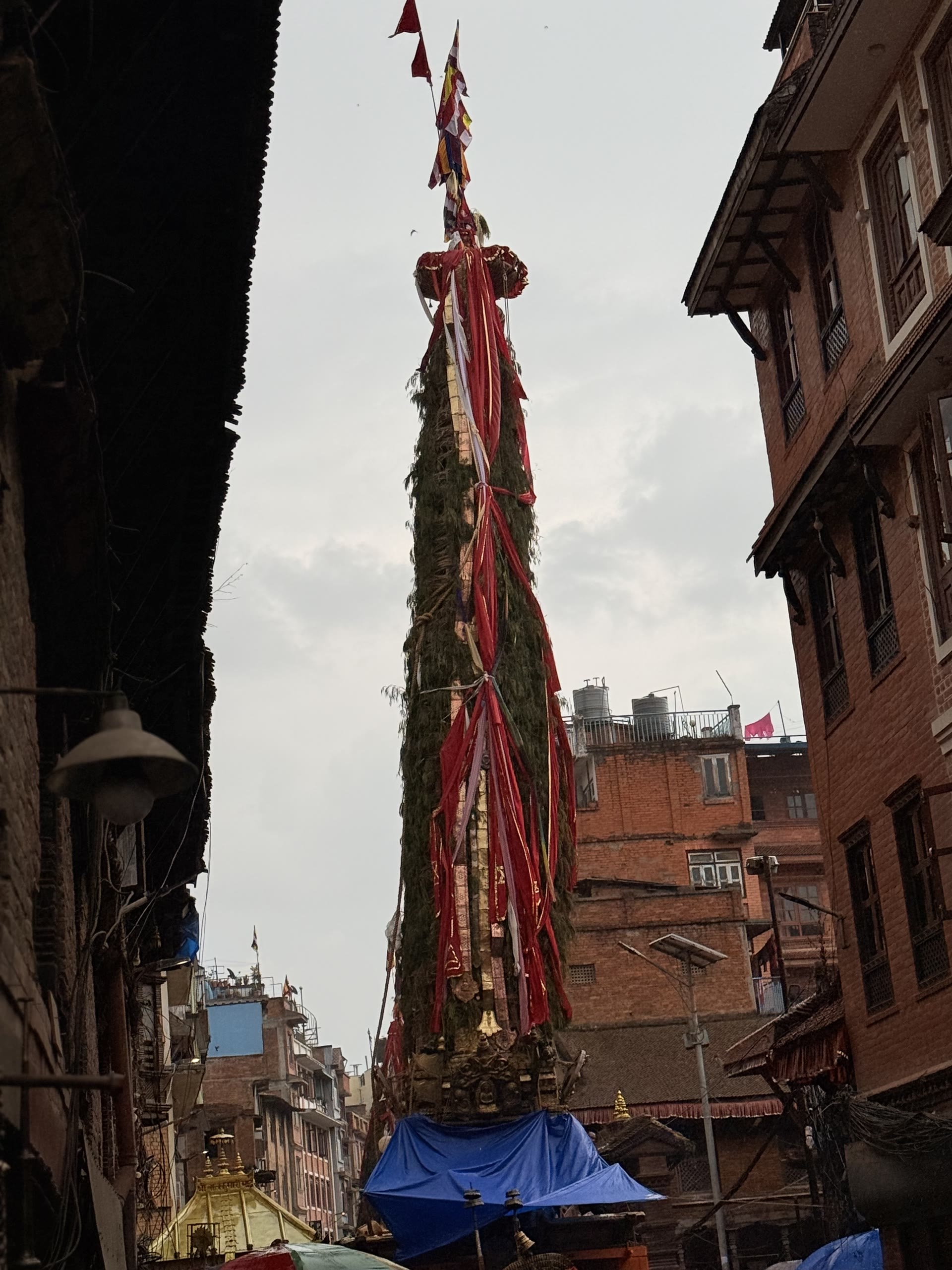
Every spring, Patan builds an enormous wooden chariot by hand — a tower several storeys tall — and slowly pulls it through the city lanes over a month or more. It is one of Asia's oldest living festivals and it passes right through our neighbourhood.
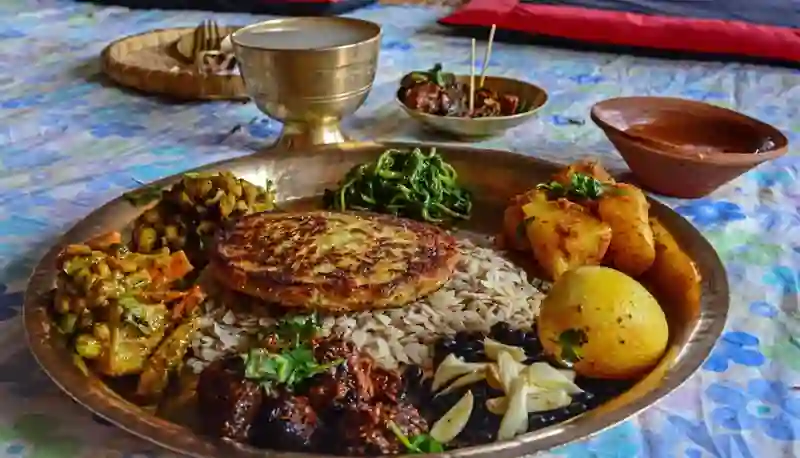
Newari cuisine is one of South Asia's most distinct food cultures — rich, fermented, and rarely found outside the valley. Here's what to seek out.


Both cities are in the Kathmandu Valley, just 30 minutes apart. But they feel completely different. Here's our honest take as people who live in Patan.
Our verdict: stay in Patan, make day trips to Kathmandu. You get the best of the valley without the chaos.
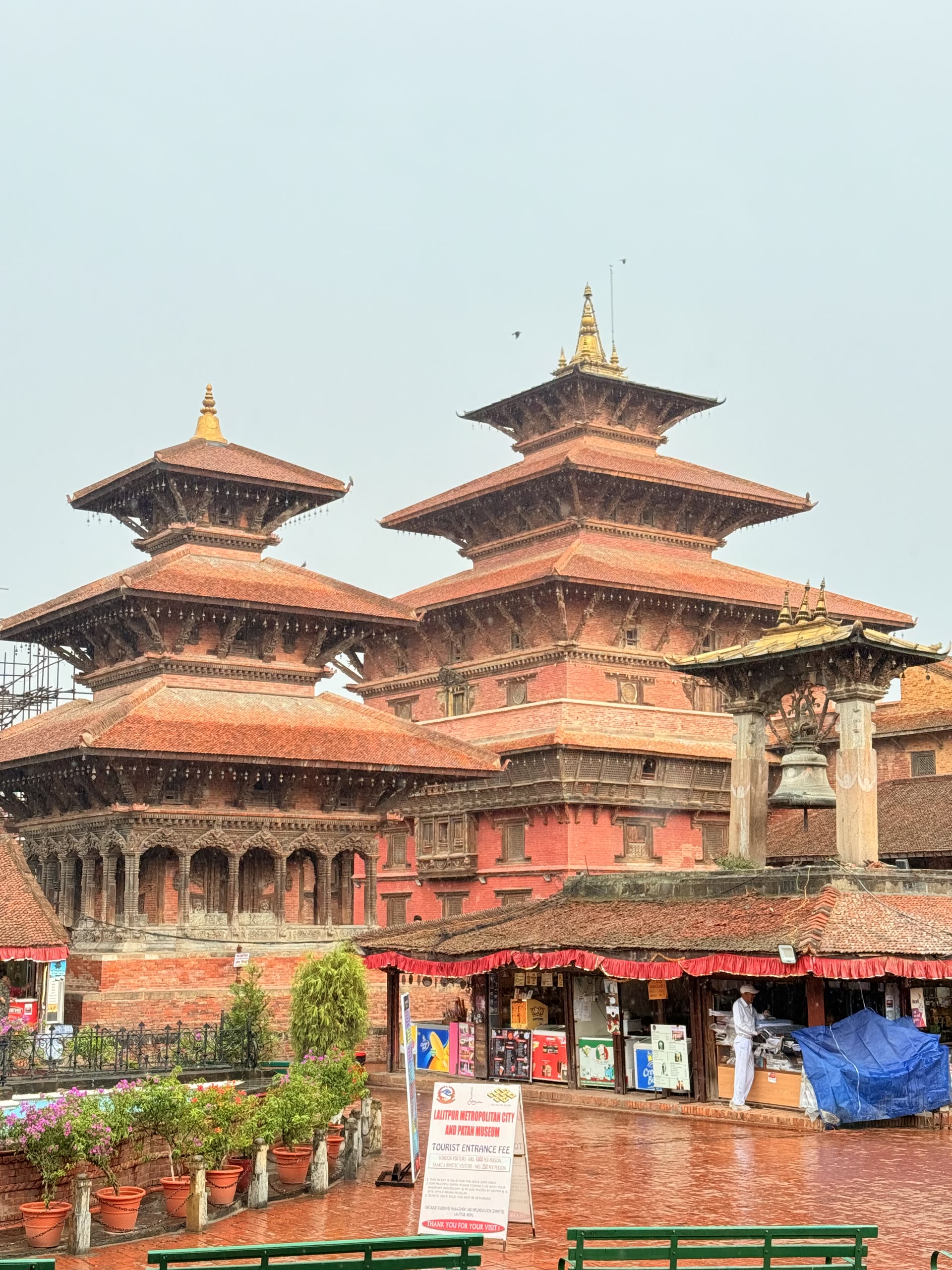
Patan is a walking city. Almost everything worth seeing is within 20 minutes of Badri Homes. Here's our favourite morning route.
Practical tip: Wear comfortable flat shoes — Patan's old lanes are paved with uneven stone bricks. The whole route is flat with no significant hills. Ask us for a printed map at check-in.
All of this is on your doorstep when you stay at Badri Homes — 5 minutes from Durbar Square, in the heart of the old city.